
Learn
Learn the world — starting with the ocean.
Free, visual, and for everyone. We teach every category we explore or build — the ocean, animals & sea life, geography, space, energy, protecting the planet, even trading, finance, and how to build a business. All seventeen categories are live now — with games + AI tutors on the way too.
The world we explore
Money + building
You + life
The ocean has layers.
As you descend, sunlight disappears, the cold deepens, and the pressure becomes crushing. Scientists split it into five zones:
The deepest place on Earth
The Challenger Deep, in the Pacific's Mariana Trench, bottoms out near 10,935 m (≈35,876 ft) — deeper than Everest is tall. The pressure there is over a thousand times what you feel at sea level. Fewer people have visited it than have walked on the Moon.
What lives down there
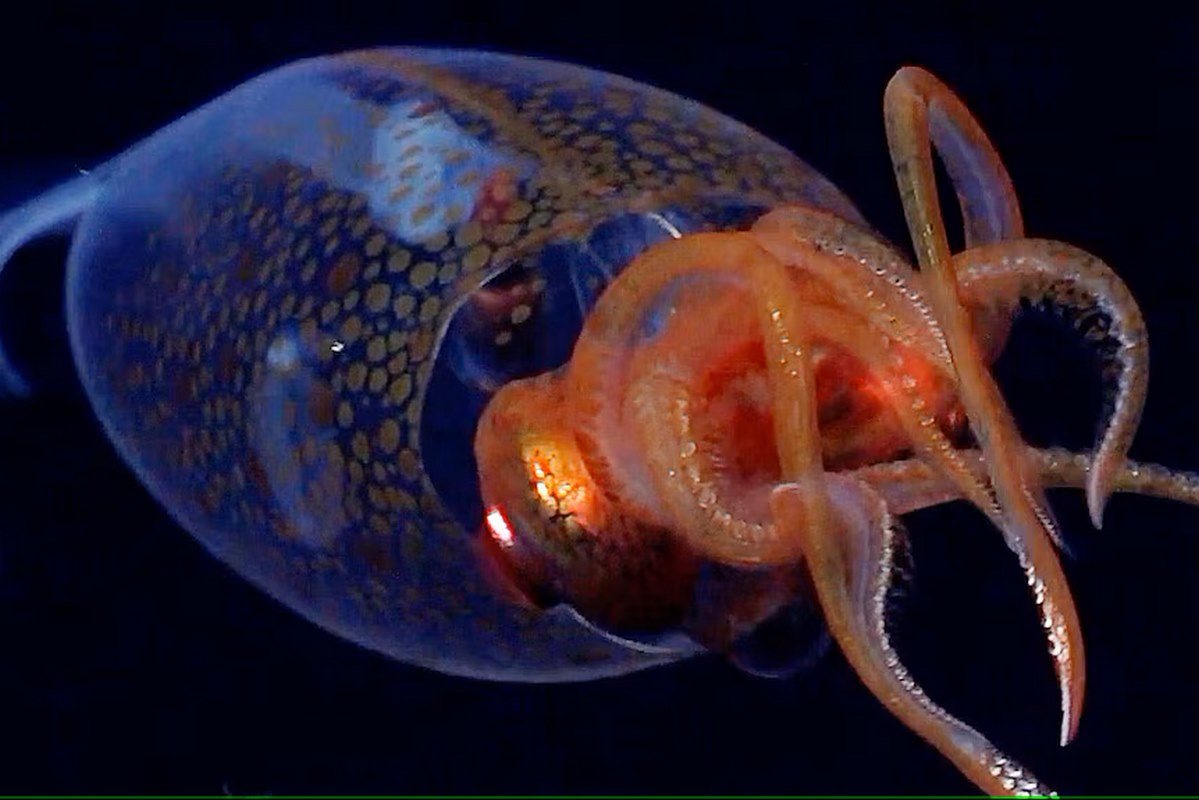
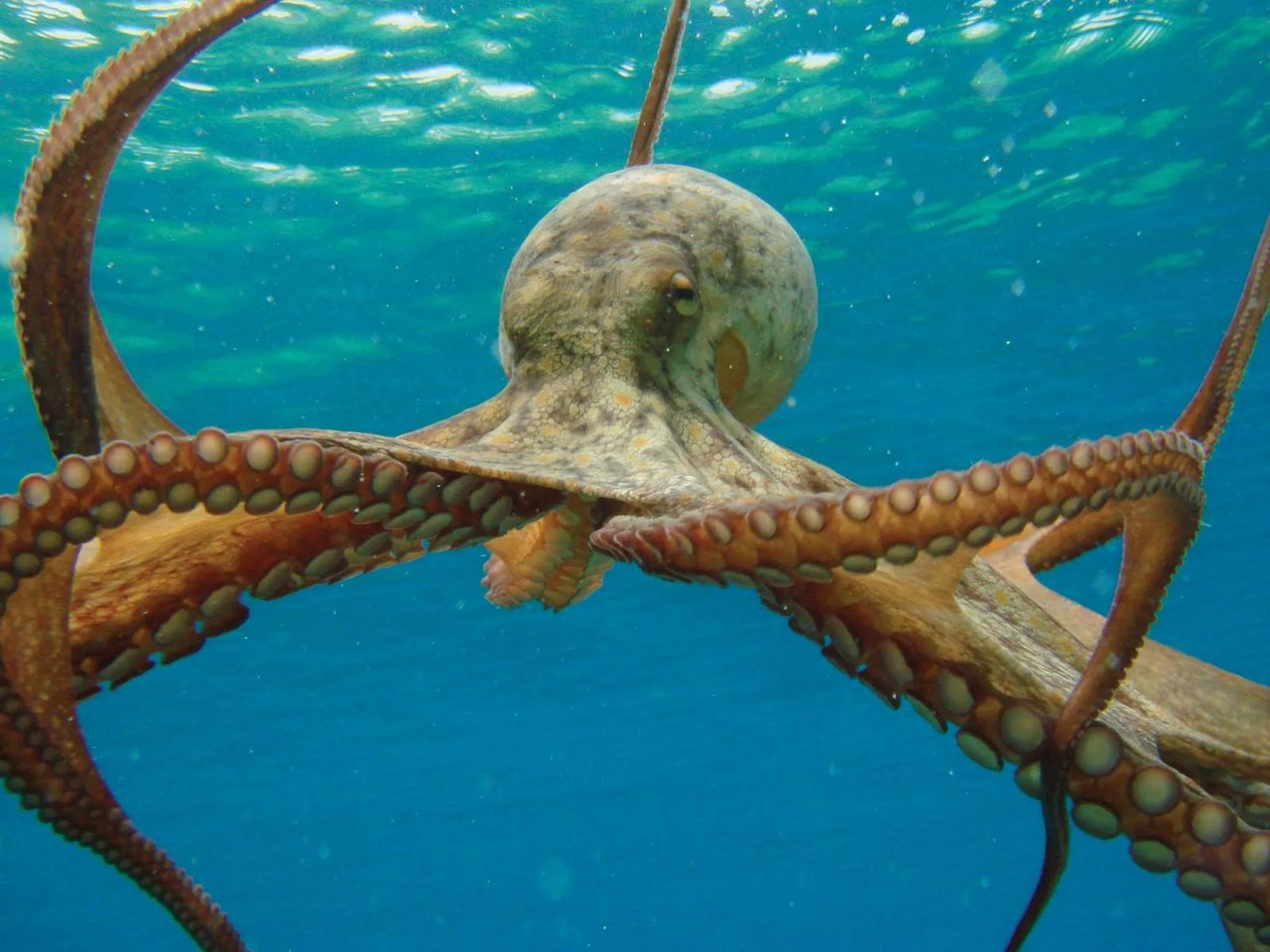
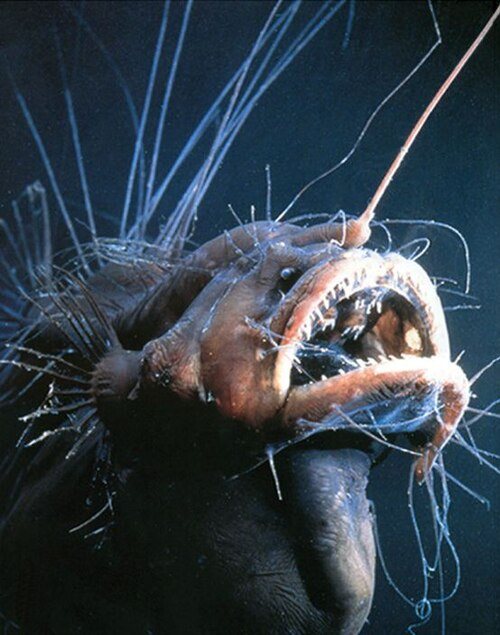
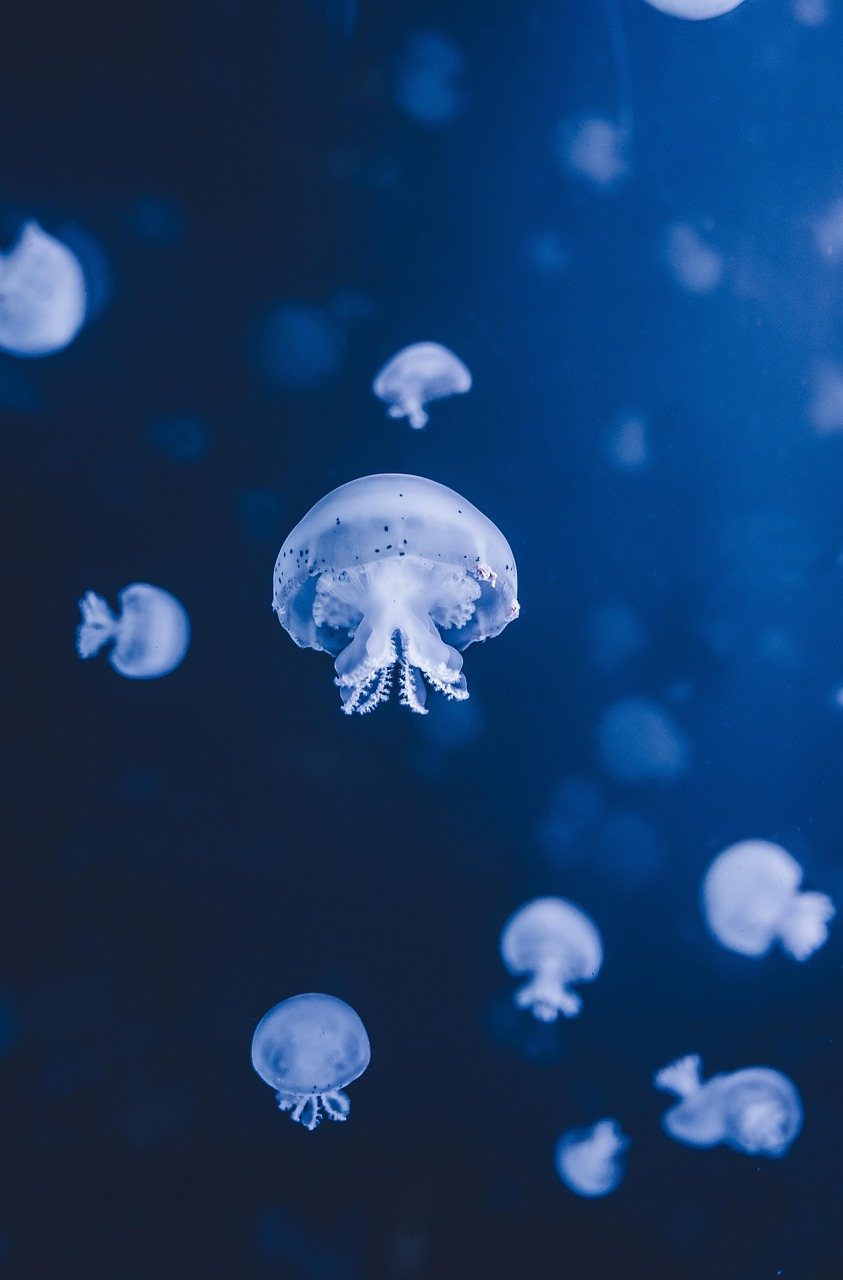
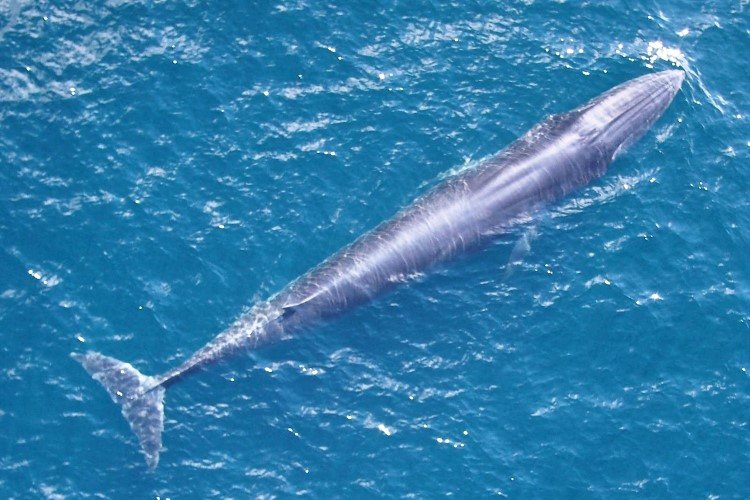
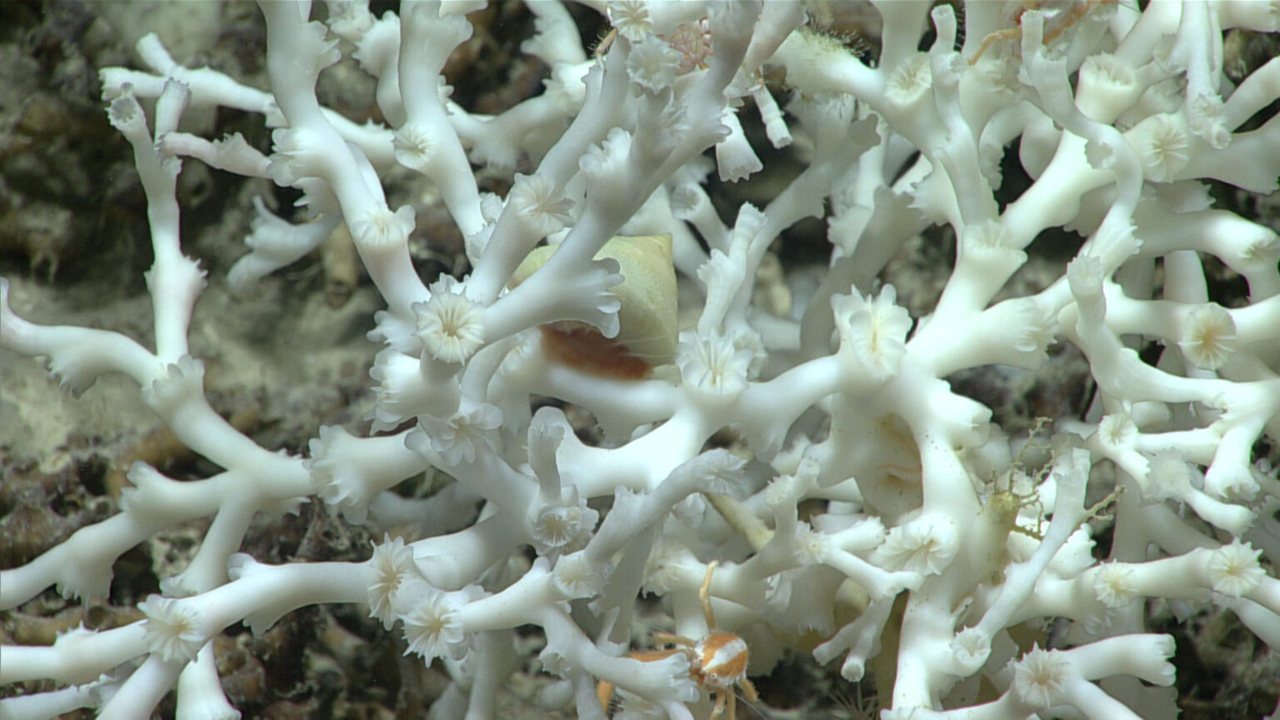
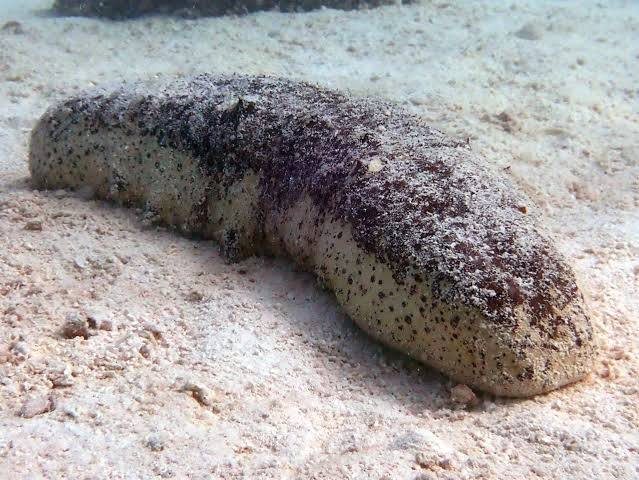
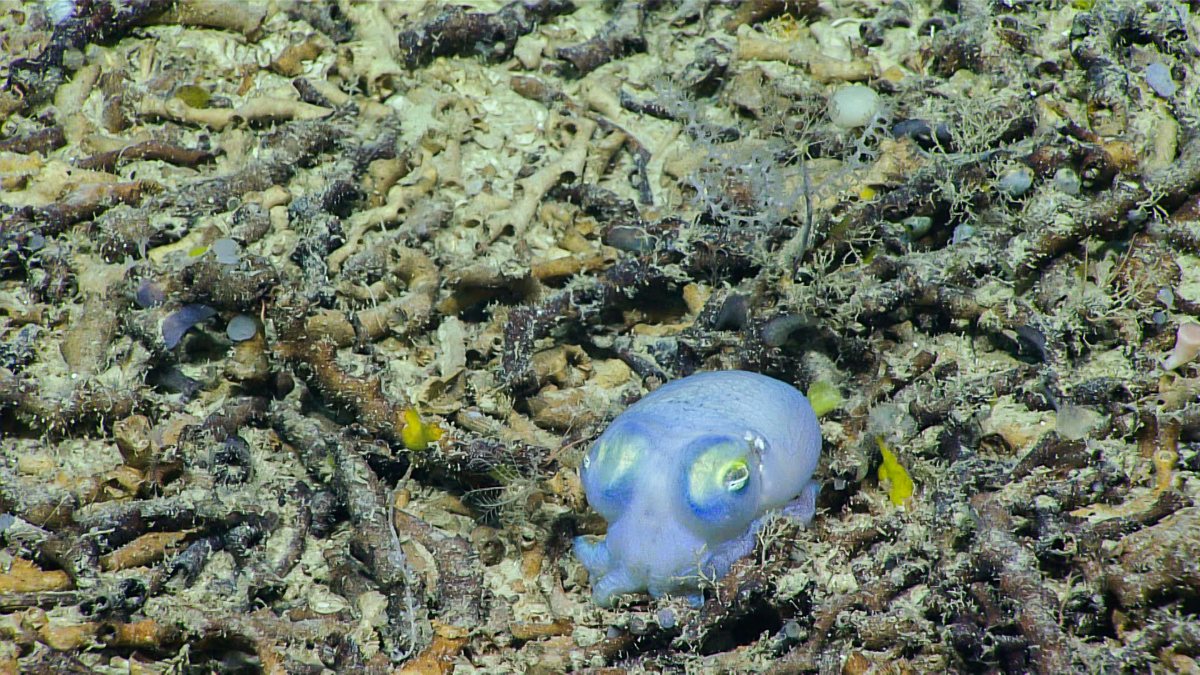
Most deep-sea creatures make their own light (bioluminescence) because none reaches them. Anglerfish, giant + colossal squid, gulper eels, sea spiders, tube worms thriving on hydrothermal vents with no sun at all. Scientists believe the majority of ocean species are still completely undiscovered.
Why we have to protect it
The ocean isn't just a frontier — it's our life support. It gives us food (≈200 billion lbs of seafood a year), medicines (cancer + antiviral compounds come from marine life), energy and minerals, even what's in our shampoo and toothpaste — and one day we'll make natural products from what we discover down there. Yet we dump 11+ million tons of plastic into it every year, and microplastics now show up in our own food. The ocean also has the highest rate of new-species discovery on Earth. Explore it, use it wisely, clean it, protect it. (Sailors say: never turn your back on the ocean.)
How little we actually know
The ocean covers ~71% of the planet and holds ~97% of its water — yet over 80% of it is unmapped, unobserved, and unexplored. We have more complete maps of the surface of Mars and the Moon than of our own seafloor. The greatest frontier isn't up there. It's right here.
Theory · hypothesis
Unidentified Submerged Objects
For decades, pilots, sailors, and military crews have reported objects moving near, above, or into the ocean — never recovered. We don't treat that as proof. We treat it as a hypothesis worth investigating: if something non-human is here, the deep may be the most rational place to look.
See the investigation →Watch
Video lessons
Ocean films + visual explainers — the deep, its creatures, and what might lie below — are coming to YouTube. Get on the list and we'll tell you when they drop.
Get notified →Sporcle-style games and AI tutors are coming next — plus deeper lessons in every category as we build. Education is always free.